Floral of the Moment: Tulip
Tulips are having a moment.
Thanks to the viral tulip cascade bouquet, the tulip flower is back into focus. You’ve likely seen it—the loose, flowing arrangement where tulips spill outward in a natural, almost unstructured form. The beauty of the cascade of tulips have sent brides into a frenzy, wanting a big moment to match the energy of the big day!
And I get it! Tulips are very expressive. They bend, stretch, and continue to grow even after being arranged, making them one of the few florals that never feel static. In this early spring season—where everything is in transition—tulips mirror that same energy. Not fully open, not fixed, always becoming.
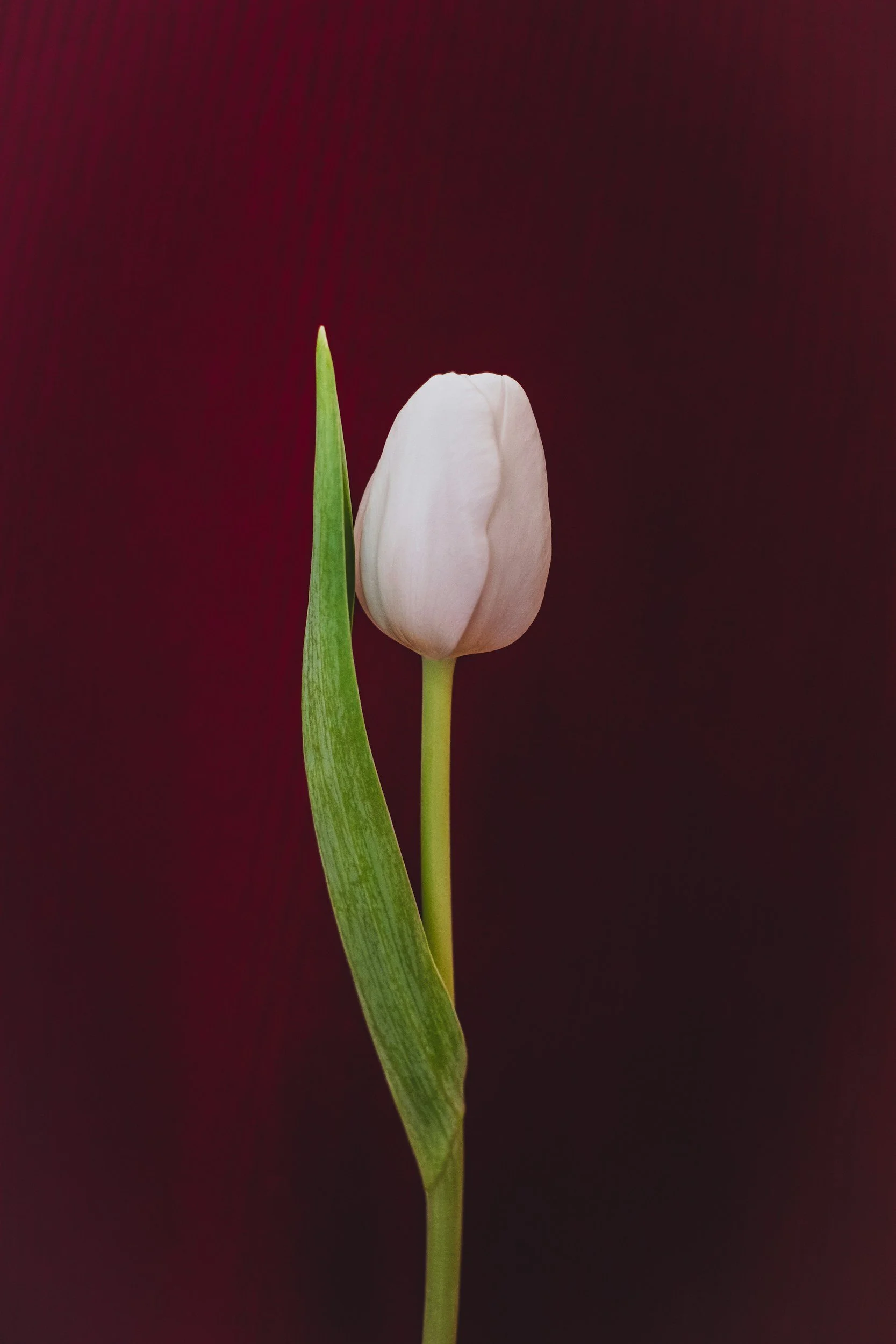
If you find yourself drawn to the tulip this spring, here is what you need to know:
Unlike many florals, tulips are highly responsive to their environment. They are phototropic, meaning they will bend toward light, and geotropic, meaning they continue to shift direction even after placement. Keep that in mind when designing.
Processing tulips properly is key.
Start with a fresh cut and place them in clean, cold water. Tulips don’t require deep water; in fact, too much can cause stems to become overly soft and heavy. Keep water levels low to moderate and refresh it regularly.
One of the most important steps is allowing tulips to hydrate upright. After cutting, wrap them loosely in paper and let them stand straight in water for a few hours. This helps reset their posture before designing. Without this step, they may continue to curve in unpredictable ways.
Be mindful of placement.
Because tulips will continue to grow and move, design with intention but allow for flexibility. What you create initially will shift—and that is part of the design, not a flaw. If you’re creating a cascade-style arrangement, lean into this movement rather than trying to control it. Let stems cross, dip, and extend beyond the vessel.
Temperature also matters.
Keep tulips cool whenever possible. Warmer environments will encourage them to open faster, while cooler temperatures will slow their development and extend their lifespan.
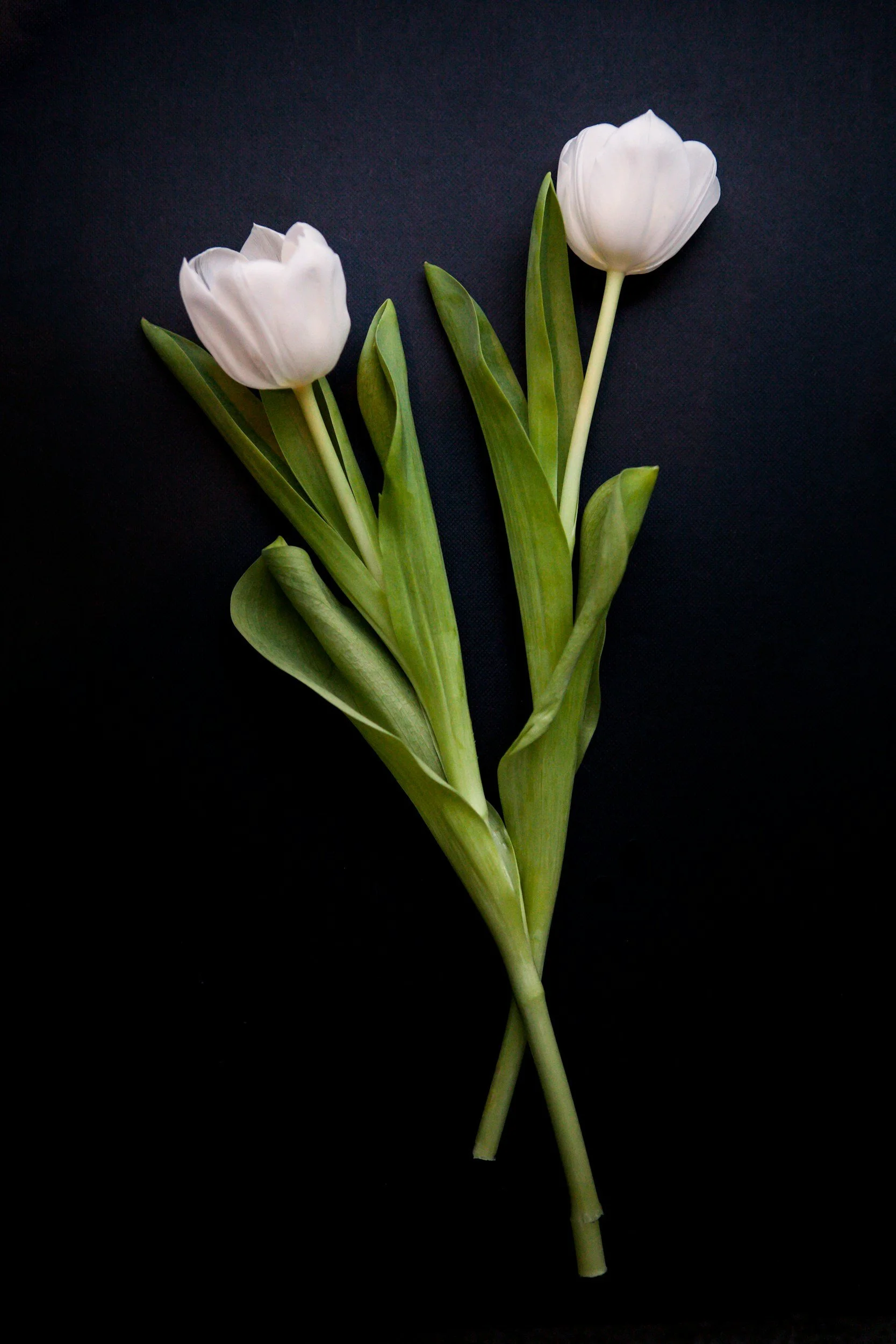
Florist Tip:
When designing the cascade bouquet with tulips, dehydrate your stems before designing. Several hours out of water will ensure the stems are able to handle the stress of wiring and designing as well as the weight of the cascade. Gravity is an issue when designing cascades so dehydrating your stems is IMPORTANT!
Deliver your finished piece in a hydration chamber right before the event. Inform the client that to ensure the longevity of the bouquet and to ensure the design stays in tact, that the flowers must be handle with extreme care and out of sunlight as much as possible. If designing for a bride, suggest a second bouquet for the more high stress parts of the wedding day.